
The Handbag Work Days Actually Need: Commuter Picks That Save Your Shoulders
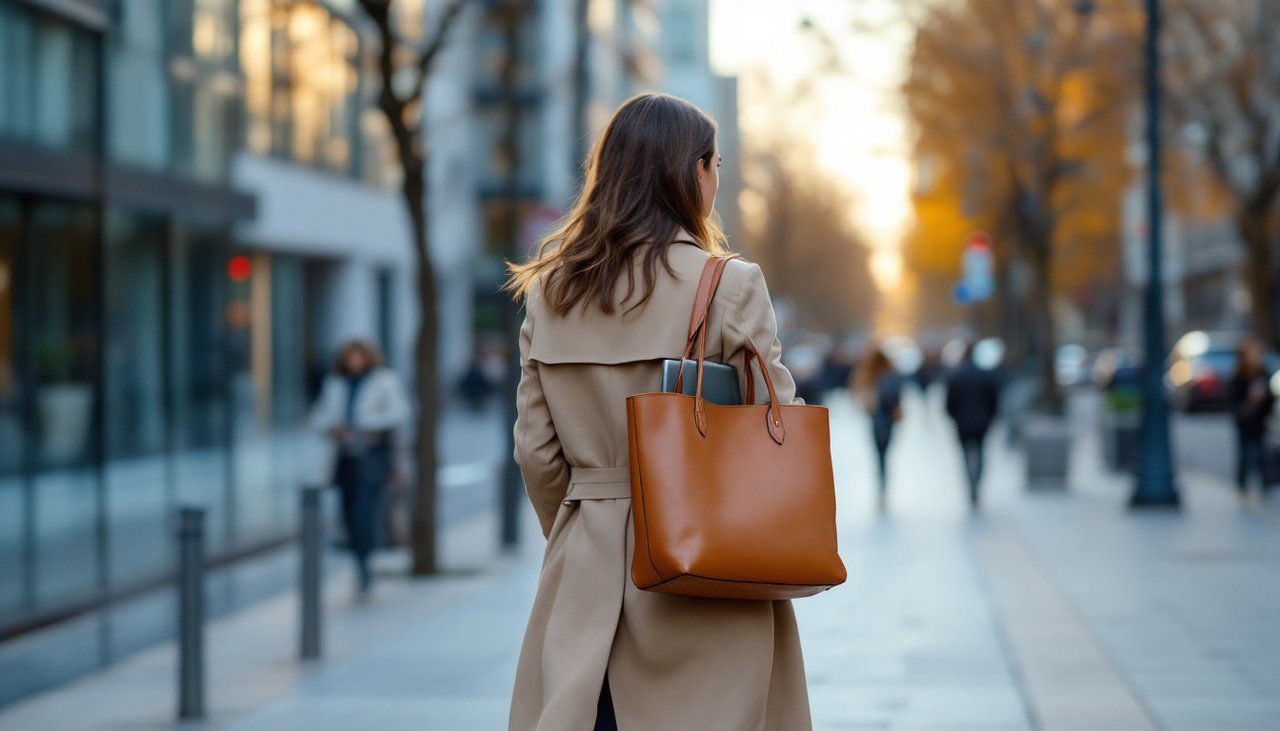
The handbag that suits most workdays is a structured, zip top tote or shoulder bag that fits your laptop flat, has straps long enough to sit comfortably over a coat, and is light enough empty that the weight comes from what you carry, not the bag itself. Get those three things right and everything else, colour, leather or vegan leather, the number of pockets, comes down to personal taste.
If your current bag is already pulling at your shoulder by Wednesday, now is a good time to swap, before the Black Friday and Christmas rush, when the most popular colours and work sizes tend to get picked over. Shop the latest handbags now and choose yours while the range is still wide.
What makes a handbag work for the office, not just the weekend?
A weekend bag only has to carry your phone, keys and wallet for a few hours. A work bag carries more for longer, and it gets put down on cafe floors, office carpet and the seat next to you on the train. That changes what matters.
Three things separate a workday bag from a casual one. The first is structure: a base and sides that hold their shape, so the bag stands up under your desk instead of slumping over and spilling. The second is closure: a zip or a secure flap across the top, because an open tote on a crowded bus makes it easy for a wallet to go missing. The third is carry comfort: straps wide enough to spread the weight across your shoulder rather than cutting into it.
The fun parts, colour, hardware and texture, still count. They just come after the bag has passed those three checks. A bag you love looking at but dread carrying tends to end up back in the wardrobe within a few months.
How big should a work handbag be?
Size it for your heaviest normal day, not your lightest. Picture a Tuesday when you carry a laptop, a lunch box, a drink bottle, a cardigan and your usual small things. If the bag handles that without the zip straining, it will handle the easy days too.

| What you carry most days | Bag style to look at | Size check before you buy |
|---|---|---|
| Phone, wallet, keys, lip balm | Compact shoulder bag or crossbody | Phone slides into a pocket without bending it |
| Add a tablet or A5 notebook | Medium shoulder bag or small tote | Internal width of about 25 cm or more |
| Add a 13 inch laptop | Structured tote or large shoulder bag | Internal width of at least 33 cm, plus a zip top or padded sleeve |
| Add a 14 inch laptop and lunch | Large structured tote | Internal width of about 35 cm or more and a flat, firm base |
Laptop sizes are measured diagonally across the screen, so the widths above allow for the body of the laptop, not the screen size. Measure your own laptop edge to edge and add a couple of centimetres of breathing room. Too snug and the zip wears early; too loose and the laptop slides around and scuffs the lining.
One more thing to check is the empty weight. A leather tote can be surprisingly heavy before anything goes in it, and a typical laptop of around 1.2 to 1.6 kg already adds plenty. If two bags look similar, the lighter one will feel noticeably kinder by Friday.
Tote, shoulder bag or crossbody: which one suits your commute?
It depends on how you get to work and how much you carry. Here is how the three main styles compare across a working week:

- Structured tote: fits a laptop and extras, sits upright under a desk and looks at home in a meeting. The trade off is that all the weight sits on one shoulder, so it suits people who drive or have a short walk from the bus stop.
- Shoulder bag: lighter and quicker to get in and out of, and fine for a tablet, a notebook or paperwork. It is less suited to a full laptop day unless you choose a larger size with a firm base.
- Crossbody: spreads the load across your body and keeps both hands free on an Auckland bus or train. It holds less, so plenty of commuters pair a crossbody for essentials with a separate bag for the laptop.
If you carry a laptop most days and walk more than ten minutes each way, take a look at our laptop bag guide comparing backpacks, briefcases and totes before you decide. For most other office days, a structured tote or a roomy shoulder bag covers what you need.
A quick test helps too. Think about the last time your bag annoyed you. If it was the weight, lean towards a crossbody or a lighter tote. If it was digging for things, lean towards a structured tote with sections. If it was looking too casual for a client meeting, lean towards a firm shoulder bag in a neutral colour.
Leather or vegan leather: which holds up better on a work bag?
Both can work well. The more useful question is how you will treat the bag.
Genuine leather softens and develops character with use. Small scuffs on a good leather work bag tend to blend in over time, and a light condition a couple of times a year keeps it supple. It is usually heavier, though, and needs a little more care if it gets caught in a Wellington downpour.
Vegan leather, usually made from polyurethane, is lighter, often cheaper and easy to wipe clean, which helps if your bag sits on a cafe floor at lunchtime. Its weak spots tend to be the corners and strap edges, where the coating can crack after a few years of daily rubbing.
A simple rule of thumb: if you plan to use one bag five days a week for several years, leather rewards the extra care. If you like to change bags with the seasons or want the lightest option, a well made vegan leather bag is a sensible pick. Either way, check the corners, the strap anchors and the base, because that is where work bags usually wear first.
Is it worth paying more for a handbag you use every workday?
Usually, yes, as long as the extra money goes into construction rather than just a logo. Think about cost per wear. A bag you carry five days a week for 46 working weeks gets roughly 230 outings a year, and around 460 over two years. Spread across that many days, the gap between a cheaper bag and a better made one shrinks to a few cents per use.
The catch is that a cheaply made bag often does not last two years of daily carrying. Straps fray, the base sags, a zip gives up, and you are shopping again. A weekend bag can get away with lighter construction; a work bag has far less room for that, because it does the heavy lifting.
That does not mean the most expensive option is right for you. It means putting your budget into the parts that fail first: strap anchors, zips, the base and the corners.
Which details save you time on a busy morning?
The small features are the ones you notice at 7.45 am when you are running late. Look for these:
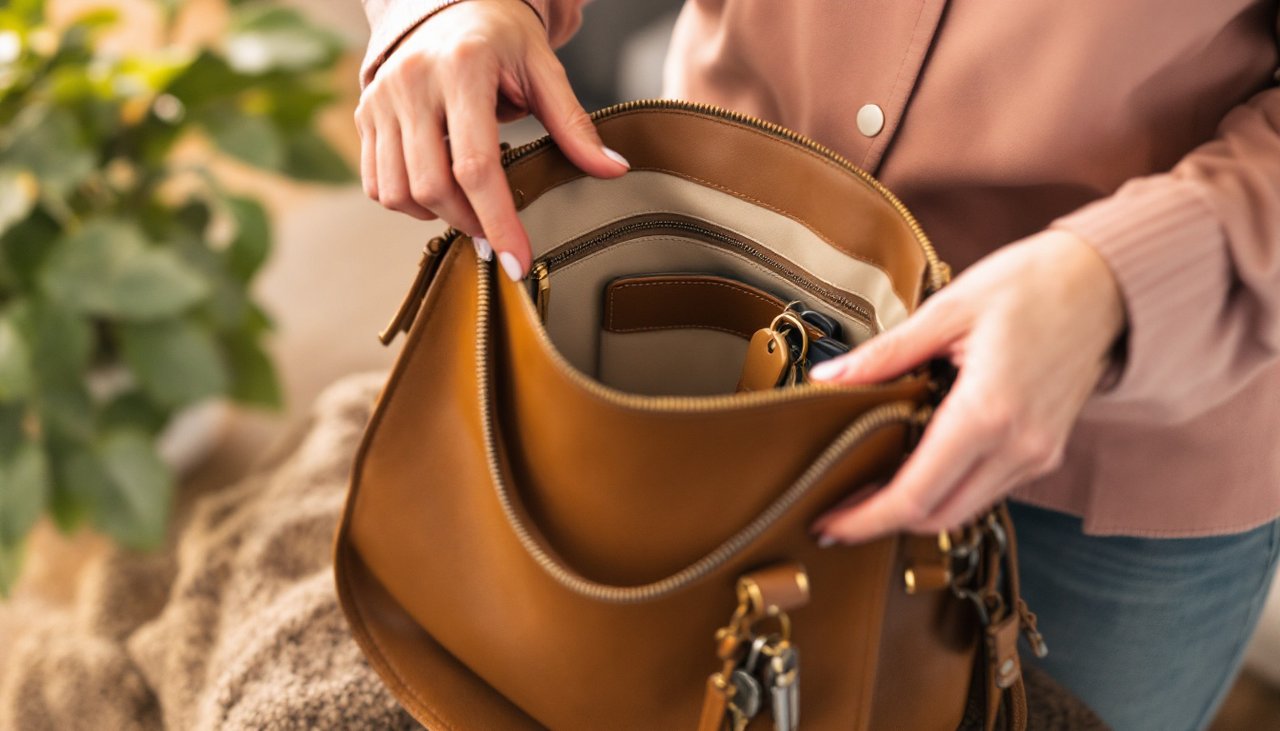
- A zip top or magnetic closure you can open with one hand
- A padded or separate laptop section so the screen does not rub against your keys
- An outside slip pocket for your phone or transport card
- A key clip or leash so your keys stop sinking to the bottom
- Little metal feet on the base so the bag does not sit directly on wet ground
- A light coloured lining, which makes things much easier to find than a black one
You do not need all six. Pick the two or three that fix whatever bugs you most about your current bag. If you spend every morning digging for your keys, a key clip matters more than an extra pocket. If your phone keeps ending up at the bottom, an outside pocket will change your day.
How do you know a work handbag will still look good next year?
Check the construction before you fall for the colour.
Stitching should be even and tight, with no loose threads where the straps join the body, since those joins carry the full weight of the bag every day. Hardware should feel solid in your hand, and zips should run smoothly around the corners without catching. On leather straps, the edges should be sealed or painted neatly rather than left raw and fraying.
Then think about colour. Black, tan, navy and taupe pair easily with most office wardrobes and hide everyday marks. A bolder colour is lovely if you already own a neutral bag to rotate with, and rotating two bags gives each one a rest, which helps both last longer.
Should you buy online or try it on in store?
Online is quick if you already know your size and style. Check the listed dimensions against your laptop and against the measurements of a bag you already like carrying.
If you are unsure about strap length or weight, trying it on helps. Bring your laptop along, load the bag the way you would on a Monday and walk around for a minute. You will feel straight away whether the strap digs in or the bag bumps against your hip.
Either way, do not leave it too long. Black Friday and the lead up to Christmas are the busiest weeks of the year for bags, and some of the most popular colours in work sizes can run low before the new year. Choose yours now so it is broken in before the summer holidays, and if you would rather see it in person first, find your nearest store and try it on at one of our nine locations this week.
Got a quick question before you choose?
Can a handbag for work also fit a 15 inch laptop? Some large totes can, but many handbags are sized around 13 and 14 inch laptops. Measure your laptop edge to edge and compare it with the internal width of the bag before you buy. If the fit is tight, a dedicated laptop bag is kinder to both.
What colour work handbag goes with the most outfits? Black and tan are the easiest to pair with office clothes, with navy and taupe close behind. They also hide scuffs and marks better than pale shades.
Is a crossbody bag professional enough for the office? A structured crossbody in leather or smooth vegan leather looks neat in most workplaces. Soft, slouchy or sporty styles read as more casual, so those are better kept for weekends.
How often should I clean a leather work bag? A quick wipe with a dry cloth each week keeps dust and grime off. A gentle clean and condition every few months is enough for most bags used daily.